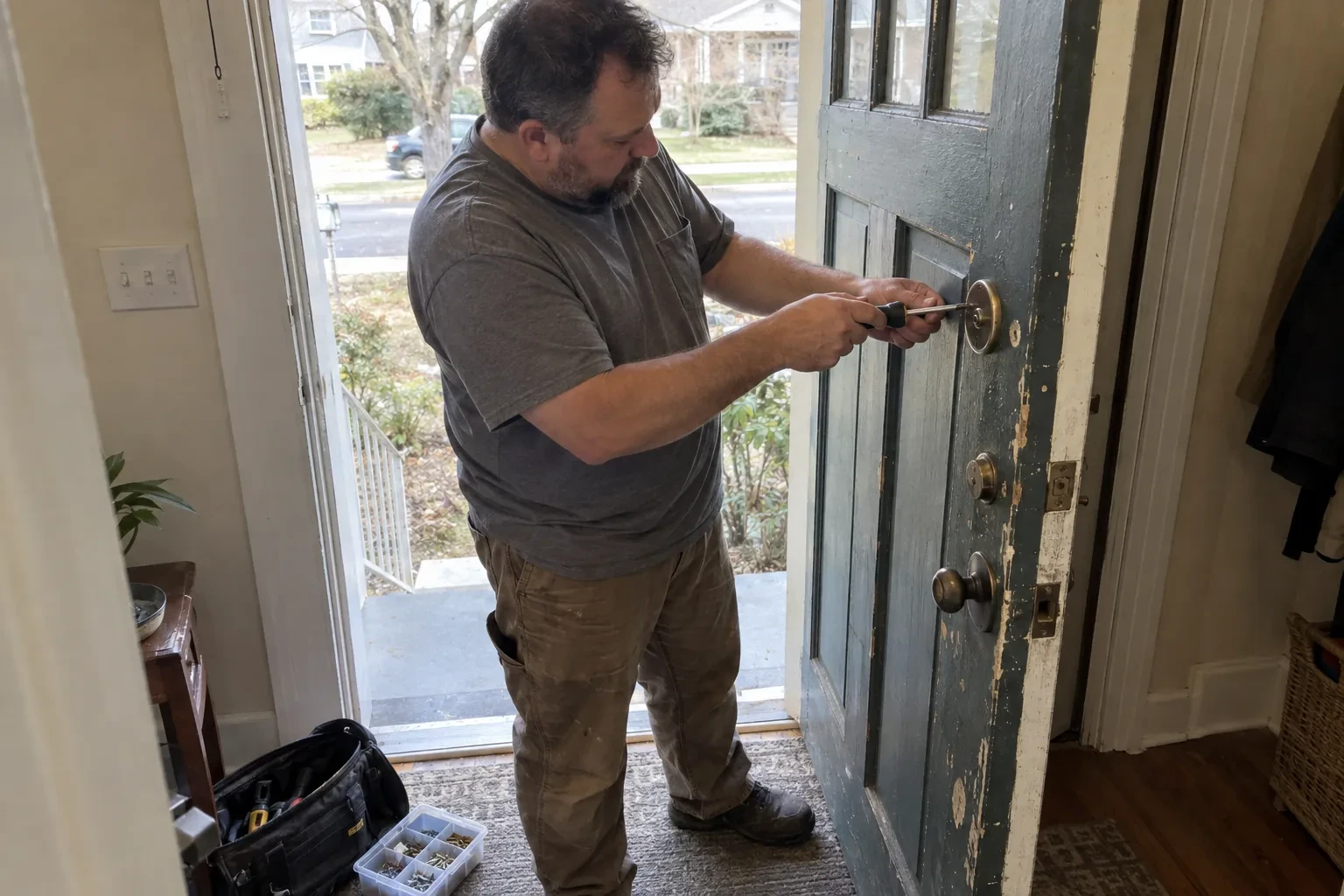
Change or rekey · Hillcrest
Deadbolt Installation in Hillcrest
The door from the garage into the kitchen closes on a passage knob with no lock at all. Anyone who opens the garage is one turn of a handle from the house, and the insurance renewal form has a question about exactly that.
Call now · open 24/7(226) 641-0178In plain words
Steel-clad and fibreglass doors, the common insulated entry doors in newer subdivisions, take a deadbolt happily as long as they are cut for it properly. The skin is thin metal or resin over a foam core, often with a wood block at lock height, so the cross bore is made with a hole saw suited to the skin, at low speed, and the edge is finished with a plate rather than a chisel mortise. Solid wood doors in older homes are cut conventionally, with care for splitting at the edge. The locksmith reads the door before drilling and picks the method that leaves a clean opening and a true-running bolt.
How the visit goesThe door from the garage into the kitchen closes on a passage knob with no lock at all. Anyone who opens the garage is one turn of a handle from the house, and the insurance renewal form has a question about exactly that.
Deadbolt Installation · Hillcrest
How the visit goes
- 1
What the door is made of
The first thing the locksmith reads is the door itself, because it decides how the holes get cut. A solid wood slab in a century home bores cleanly but can split at the edge if the mortise is rushed. A steel-clad insulated door has a thin metal skin over foam, sometimes with a wood block at lock height, and needs a metal-cutting hole saw run slowly. Fibreglass behaves like a hard plastic and chips if the bit grabs. Thickness matters too: most exterior doors are 44 mm, some older ones 35 mm, and the deadbolt's screws and collar have to suit that. Ten seconds with a tape and a knuckle on the face answer all of this.
- 2
Setting a strike that reaches the framing
A reinforced strike or strike box is centred over the pocket, squared to the edge of the jamb, and its outline is scored and chiselled to a depth that leaves the plate flush. Pilot holes are drilled, and the two holes nearest the door stop take 75 mm screws that pass through the jamb and the shim space into the stud behind, with shorter screws in the remaining holes. The long screws are driven by hand for the last turns so the heads seat without crushing the jamb. Where the jamb is thin or has been split by an earlier attempt, a full-length jamb reinforcer is fitted under the strike instead.
- 3
Looking after it through the seasons
A deadbolt asks for very little, and most of it happens twice a year. In spring and again in autumn, throw the bolt with the door closed and notice whether it still slides in freely; wood doors swell in humid summers and shrink in dry winter air, and the first sign is a bolt that needs the door pulled before it will lock. If so, a small strike adjustment puts it right. Give the bolt and keyway a puff of whatever lubricant the lock's own maker specifies, often dry PTFE or graphite, since some cylinders are serviced with oil instead. Wipe salt off the outside trim after a slushy week so the finish stays bright.
In the van
- Sharp chisel and mallet
- Strike box
- 75 mm (3 in) strike screws
- Dry PTFE lubricant
- Boring jig and 54 mm hole saw
What affects the quote
- 1
Mechanical, keypad or smart lock
Electronic deadbolts carry a different hardware line and add setup time for codes, pairing to a phone and a walk-through, all of which appear as their own entries.
- 2
Number of doors
One front door is the simplest case. Front, back, side and garage-to-house doors done in one visit share the travel and setup, so the per-door figure usually eases as the count rises.
- 3
Finish and trim style
Coated finishes built for salt and sun, matching trim for an existing handleset, and low-profile faces cost differently from a standard brass or nickel unit, and you choose the level.
Same fees day, night or weekend.
Deadbolt Installation: questions
Will drilling a new deadbolt damage my steel or fibreglass door?
Not when it is done for that door. Steel-clad doors are cut with a fine-toothed hole saw run slowly through the skin, guided by a jig so the saw cannot skate on the smooth face, and finished from both sides so each skin stays clean. Fibreglass is scored first so the surface does not chip. Shavings are vacuumed from the foam core, and the edge is finished with a collar or plate suited to the stile inside.
How high above the knob does the deadbolt go?
The usual position is 140 to 150 mm above the centre of the knob, which lines the two locks up and keeps both within one reach. Manufacturers' templates assume that spacing, which helps a later keypad or handleset line up, though many handlesets still need their own lower hole drilled to that model's template. The height is nudged if it would land on glass, a decorative panel or a hollow spot inside an insulated door, and to make sure the frame behind it is solid.
What happens during the visit, step by step?
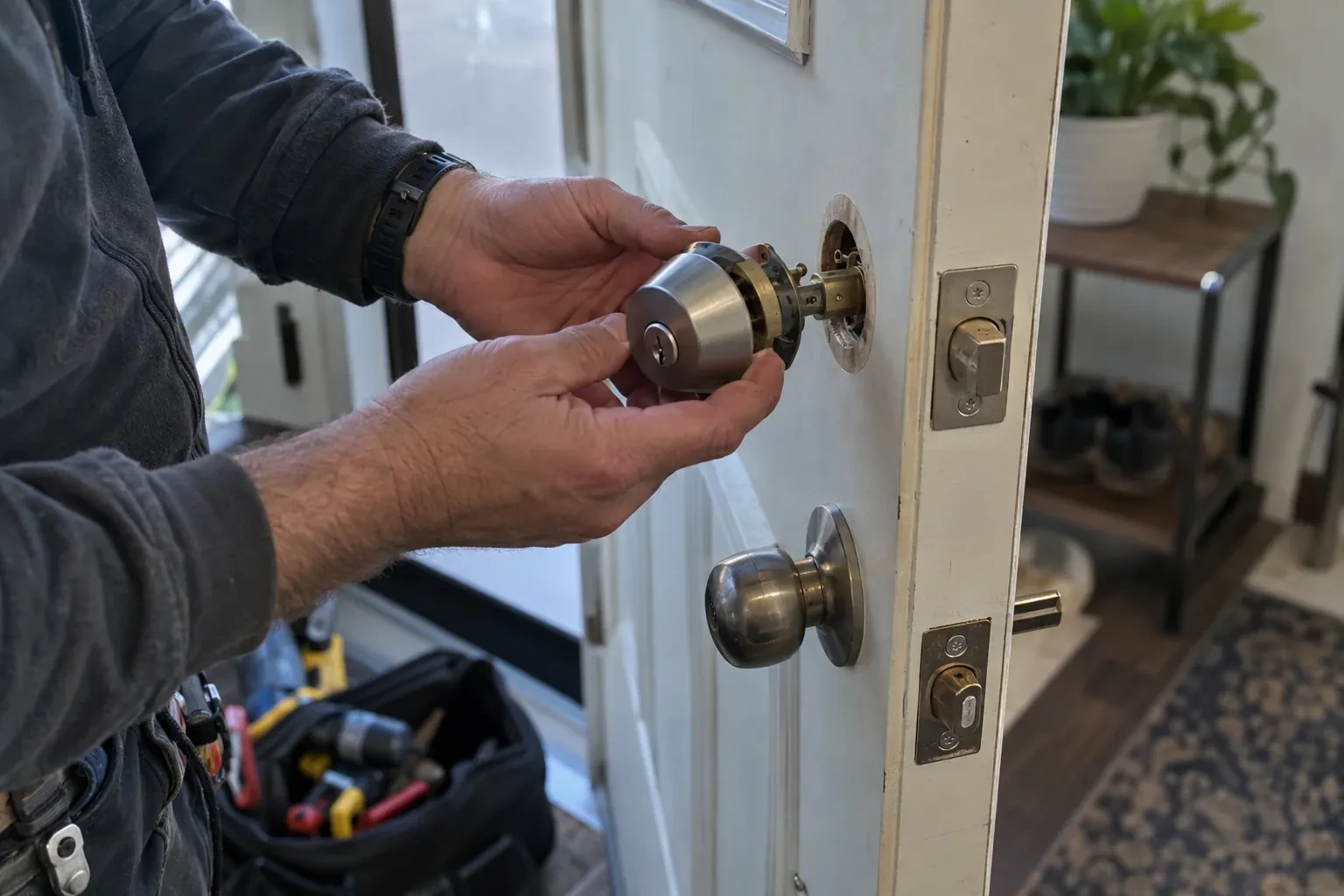
The locksmith looks at the door, frame, glass and hinges, measures the bore and backset, and confirms the hardware and key plan with you. The door is bored or the old lock removed, the bolt is set to the backset, and the cylinder and thumb-turn are assembled. The strike position is marked from the bolt itself, the pocket bored, and a reinforced strike fastened into the framing. Everything is tested open and closed, keys are cut and tried, and the area is vacuumed.
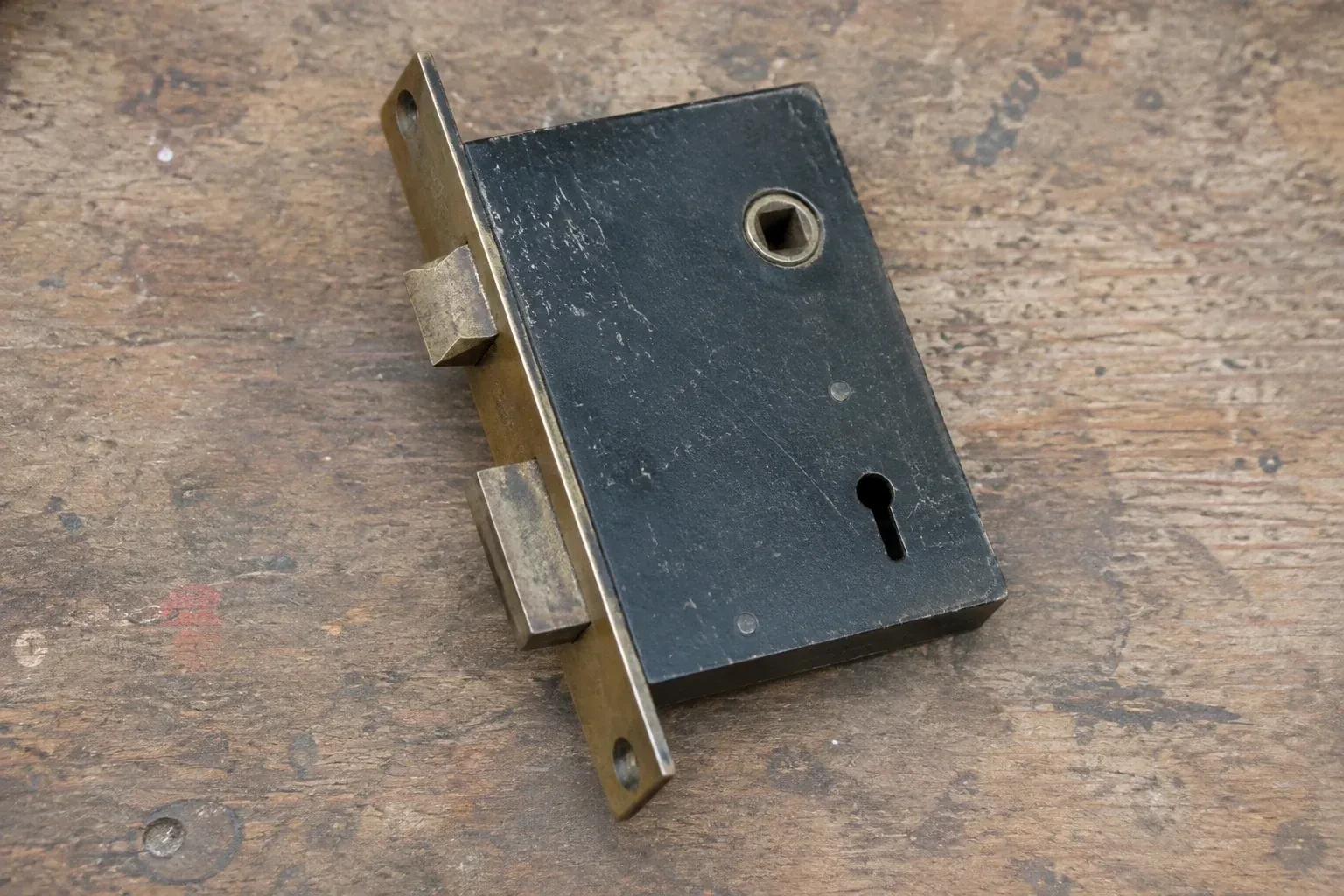
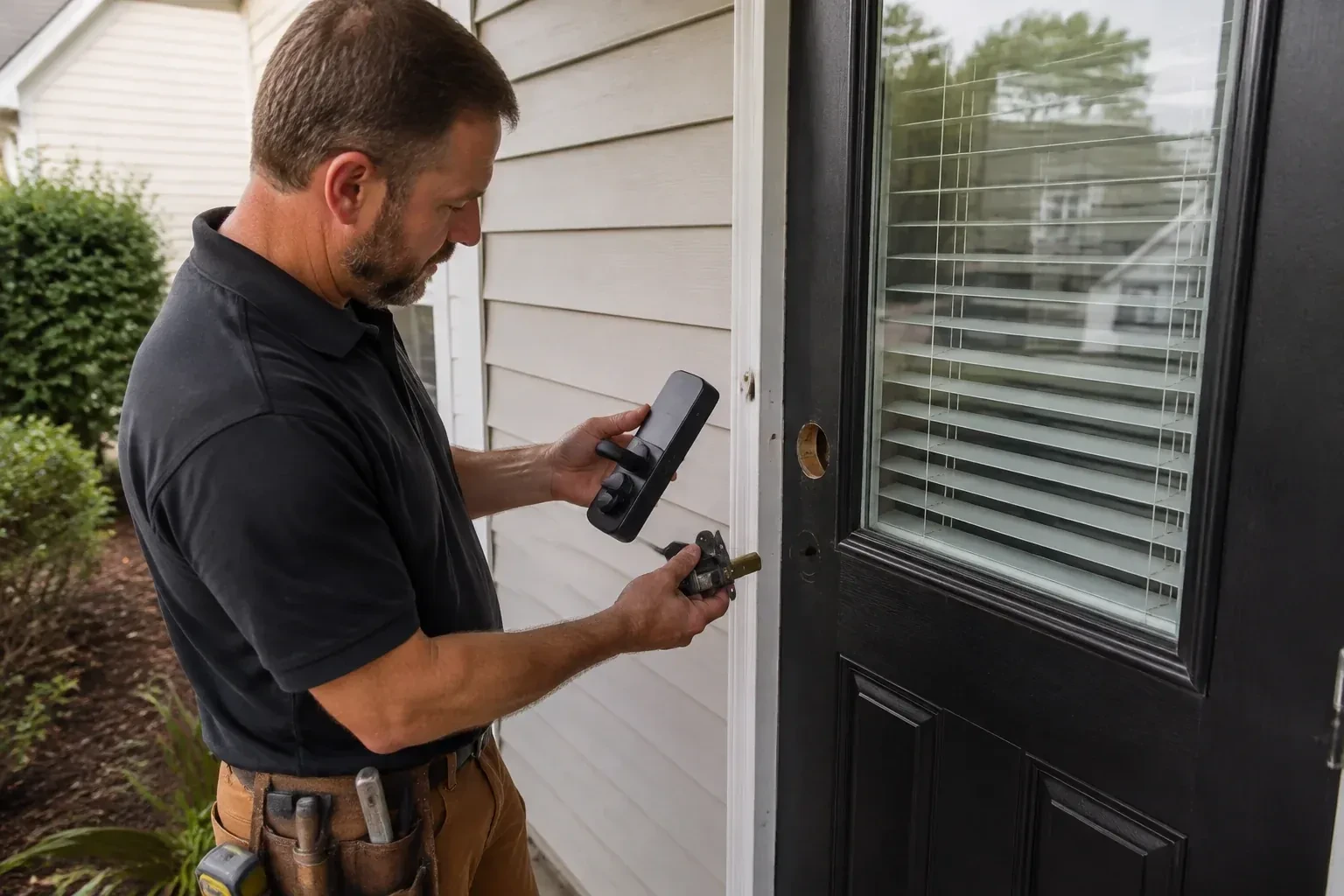
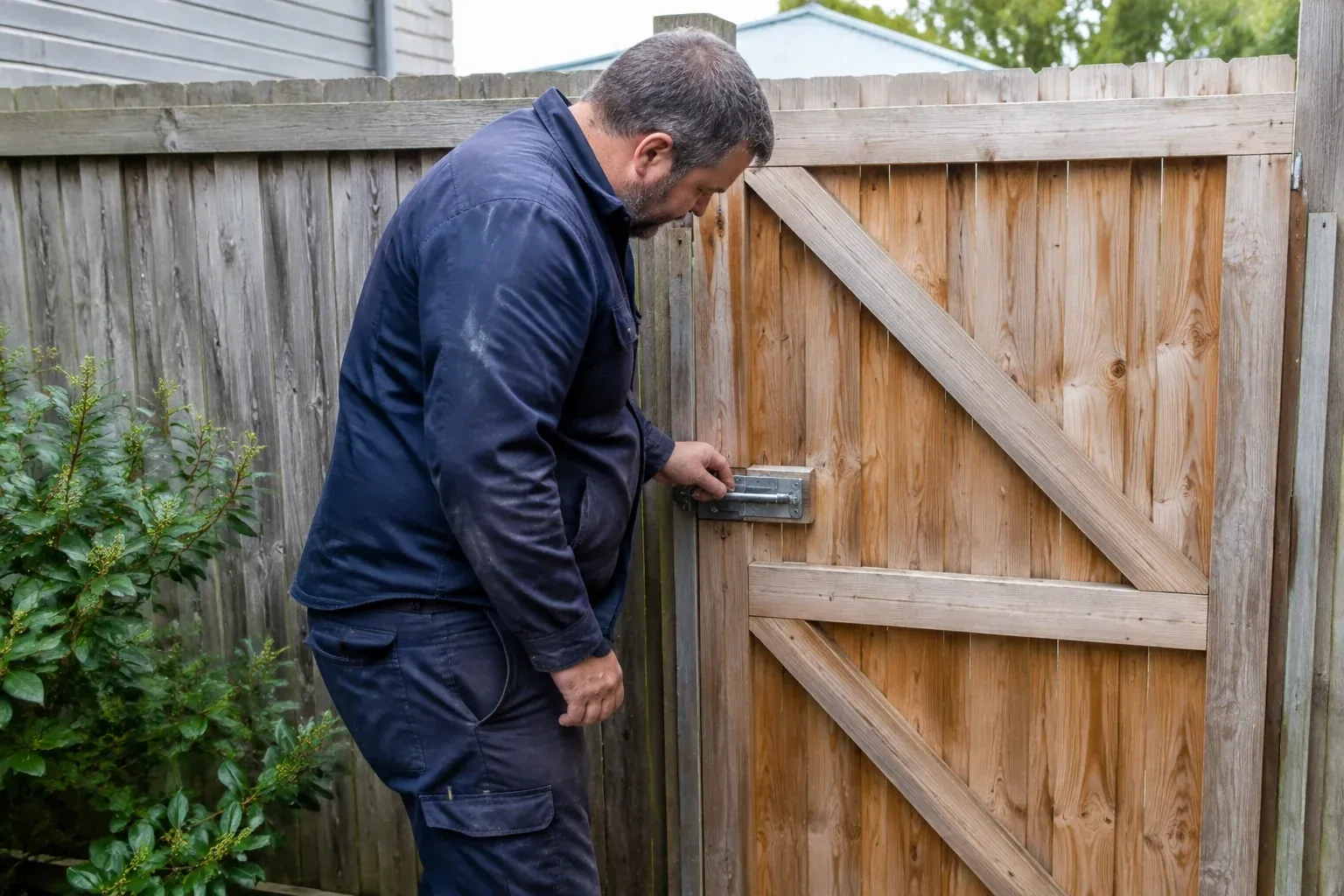
Deadbolt Installation near you
Haldimand-Norfolk, Ontario
Hillcrest information
- Town
- Hillcrest, Haldimand-Norfolk, Ontario
- In business
- 22 years
- Hours
- Open 24/7 · nights, weekends and holidays, same fees
- Phone
- (226) 641-0178
- Visits
- On-site assessment preferred. Request a visit or call.
What the census means at the door
62%
Older homes. About 62% of homes in Norfolk County were built in 1980 or earlier, according to the 2021 Census.
Older housing means older frames. Wood that has settled for years leaves strikes slightly out of line, so a bolt drags or needs a lift of the handle. A locksmith expects this and brings the shims, longer screws and strike plates to correct it.
83%
Mostly houses. Single-detached houses make up about 83% of homes in Norfolk County (2021 Census).
Detached homes are exposed to weather on every side, so exterior locks see rain, salt and freezing air directly. Choosing hardware with a good finish and a cylinder that tolerates cold, then lubricating it properly, keeps every door turning through winter.
Nearby
Open 24/7
Request a visit
The door from the garage into the kitchen closes on a passage knob with no lock at all.
Call now · open 24/7(226) 641-0178- On-site assessment preferred
- Same fees day, night or weekend
- 22 years in business