Emergency Lockouts · Norfolk County
Home Lockout Service
Someone pushed the privacy button on the bathroom door and pulled it shut behind them, leaving the room locked and empty. The little emergency slot on the outside is stripped, and the tiny release key that came with the handle disappeared years ago.
Call now · open 24/7(226) 641-0178In plain words
Being locked out is uncomfortable, but it is also the moment most households finally sort out their keys. Once the door is open, the same visit can rekey the locks so a lost key stops mattering, cut properly coded spares to replace worn copies, key the front and back doors alike so one key runs the house, or set up a small lockbox for a trusted neighbour. None of that is required to get you inside; the opening stands on its own. It is simply that the locksmith is already at the door with the tools, which makes it a convenient time to decide.
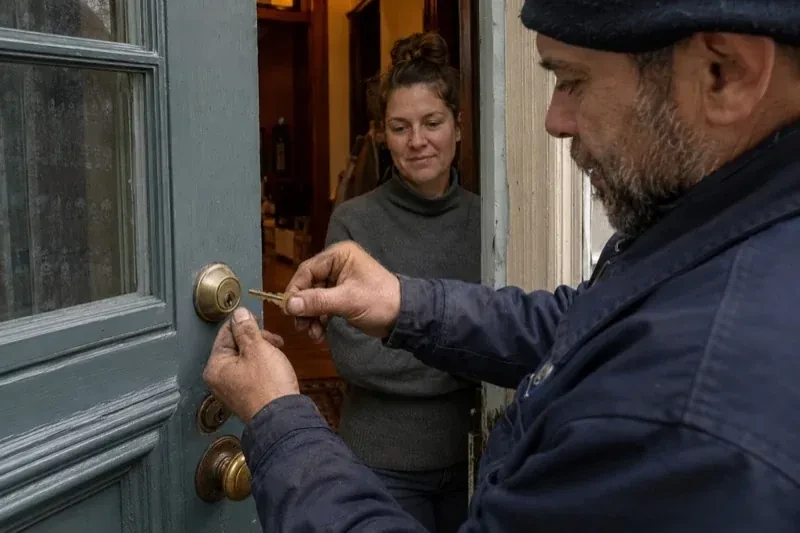
How the visit goesThe moving truck has left, half the boxes are inside, and the single key the previous owner handed over turns the knob but not the deadbolt. Someone locked it on the way out, and nobody has a key that fits it.
Home Lockout Service · Norfolk County
How the visit goes
- 1
Anything already damaged, and anyone inside
Two practical questions round out the first look. First, has anything been tried already? A bent latch from a credit card, a scratched cylinder from a screwdriver, or a previous locksmith's drill mark all change the approach, and the locksmith notes them so you know what was there before work began. Second, is anyone or anything inside that changes the pace: a child napping, a pet, a stove left on, a running tap? That answer sets how the opening is sequenced and whether the most careful method or the most direct one comes first. Both questions take moments and make the rest of the visit calmer.
- 2
Least invasive first, always
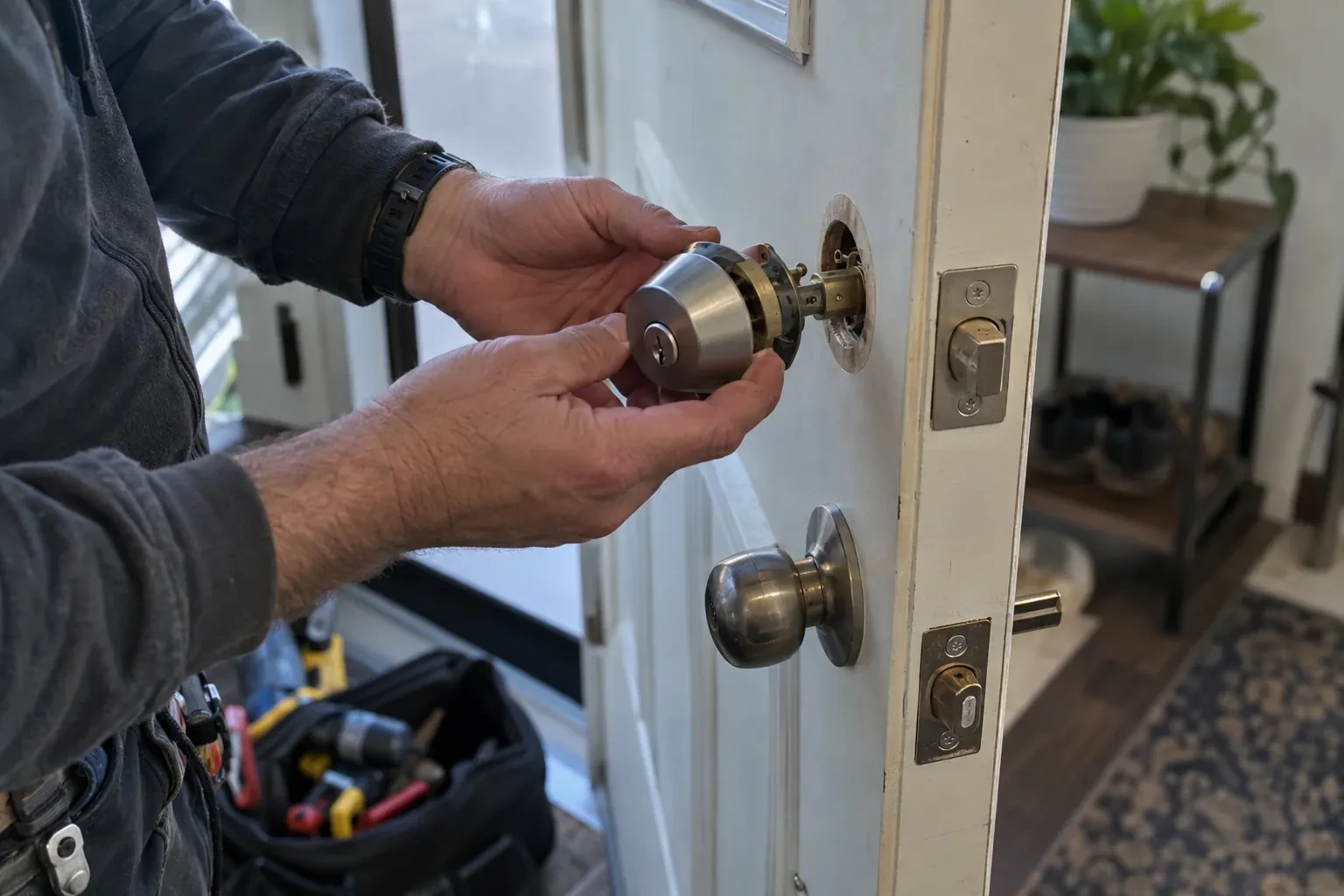
The opening follows a ladder. At the bottom rung are methods that operate the lock exactly as a key would: single-pin picking, raking or decoding the cylinder so the plug turns and the bolt withdraws. Next come bypasses that work around the cylinder, slipping a spring latch or reaching the inside thumb-turn with a purpose-made tool. Only when the hardware defeats all of those does drilling come into the conversation, and it is a conversation, not a surprise. Working up this ladder means the lock is intact in the great majority of cases and you close the door behind the locksmith with the same hardware you had that morning.
- 3
A door that locks the way it should
The visit ends with the lock working smoothly from both sides. The locksmith cycles the key several times, throws and retracts the bolt with the door open and then closed, and listens for the clean click of the bolt seating in the strike. You are shown anything that was noticed along the way, such as a loose handle or a strike screw backing out, so nothing is left as a mystery. Any hardware that was replaced is demonstrated and the packaging left with you. The door is closed and locked once more with your own key before the locksmith leaves, so you see for yourself that you are back in control of it.
In the van
- Pick and tension tools
- Strike plate and long hinge screws
- Lock de-icer
- Key blanks and key cutter
- Nine-volt battery for smart locks
What affects the quote
- 1
Keying other doors to match
Bringing the back door, side door and garage onto the new key after a rekey is extra work per cylinder, and simplest to arrange during the same call-out.
- 2
Type and grade of the lock
A builder-grade knob latch, a residential deadbolt, a mortise case in an older home and a high-security cylinder each take different tools and different amounts of time to open, and that difference shows in the quote.
- 3
Restricted or high-security keyways
Security pins, sidebars and patented keyways take longer to open and, if replaced, cost more as hardware than a standard cylinder. Restricted keys also have to be cut from the system's records rather than duplicated.
Same fees day, night or weekend.
Home Lockout Service: questions
What if the door is stuck rather than the lock?
This is more common than people expect, especially in older houses and at the change of seasons. A door that has swollen, sagged on its hinges or been pushed out of square by thick weatherstripping can pin the bolt against the strike so it will not draw back even with the right key. The locksmith relieves the pressure to free the bolt, then adjusts the strike, hinges or seal so the door closes and locks without a shoulder.
I rent my place. Can I call a locksmith myself?
Yes. A tenant locked out of their own unit can arrange entry directly, and the identification check is the same: something that ties you to the address, such as a lease, a bill or a piece of mail, plus photo identification. Where you may want to involve your landlord is any change to the lock afterwards, because tenancy rules in this province expect landlords and tenants to agree on lock changes and to share keys. A locksmith can note what was done for the building manager.
What should I have ready when I call about a lockout?
The address and which door you are outside of, what kind of lock is on it as far as you can tell, and where the key is: inside, lost, broken or simply refusing to turn. Mention whether the door is a rental, whether anyone is inside, and whether the lock is electronic. If you have photo identification on you, say so; if not, say that too so the verification route is agreed before the locksmith arrives.
Lockout Services
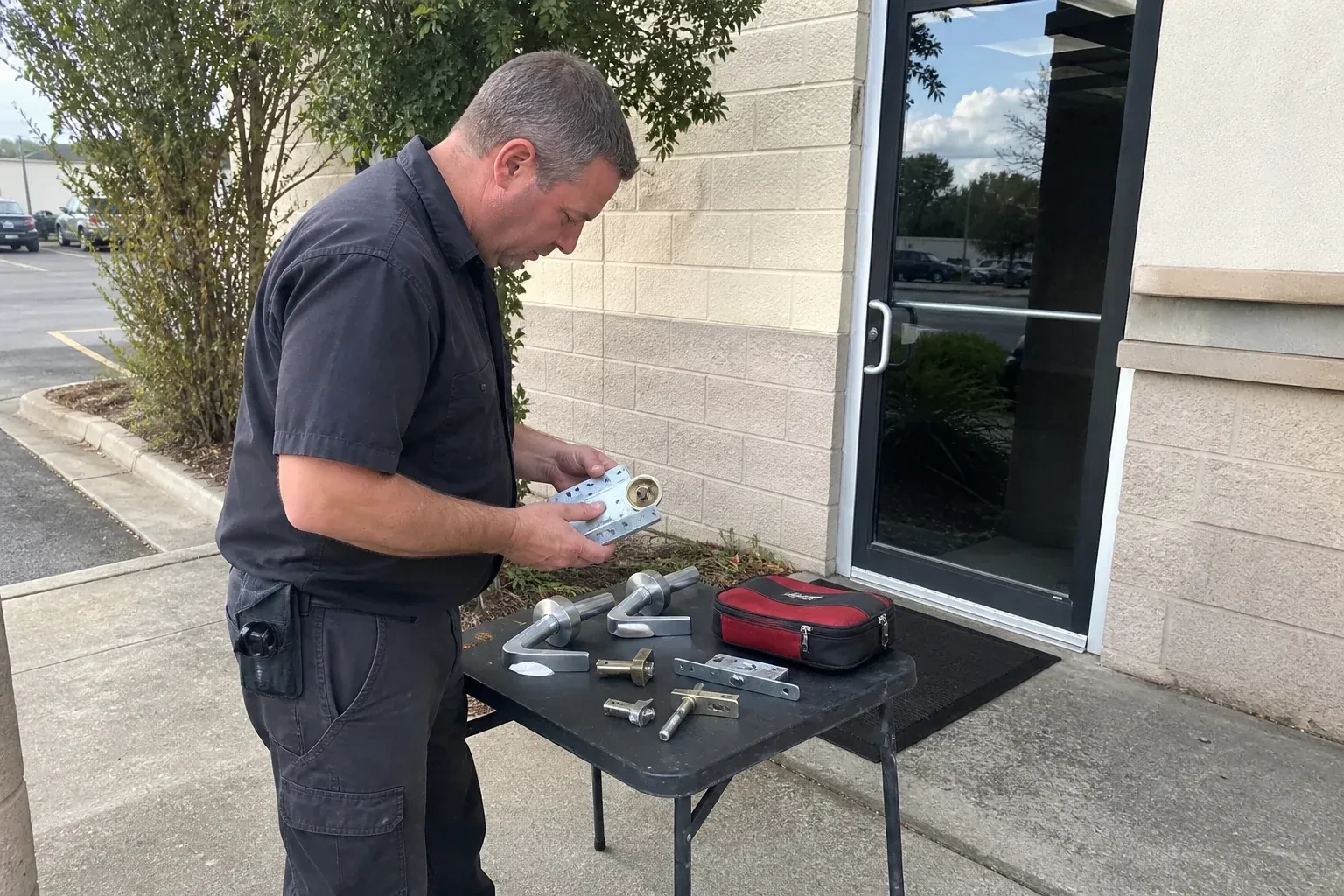 EmergencyBusiness Lockout ServiceAfter last night's power flicker the card reader beside the clinic door shows nothing.
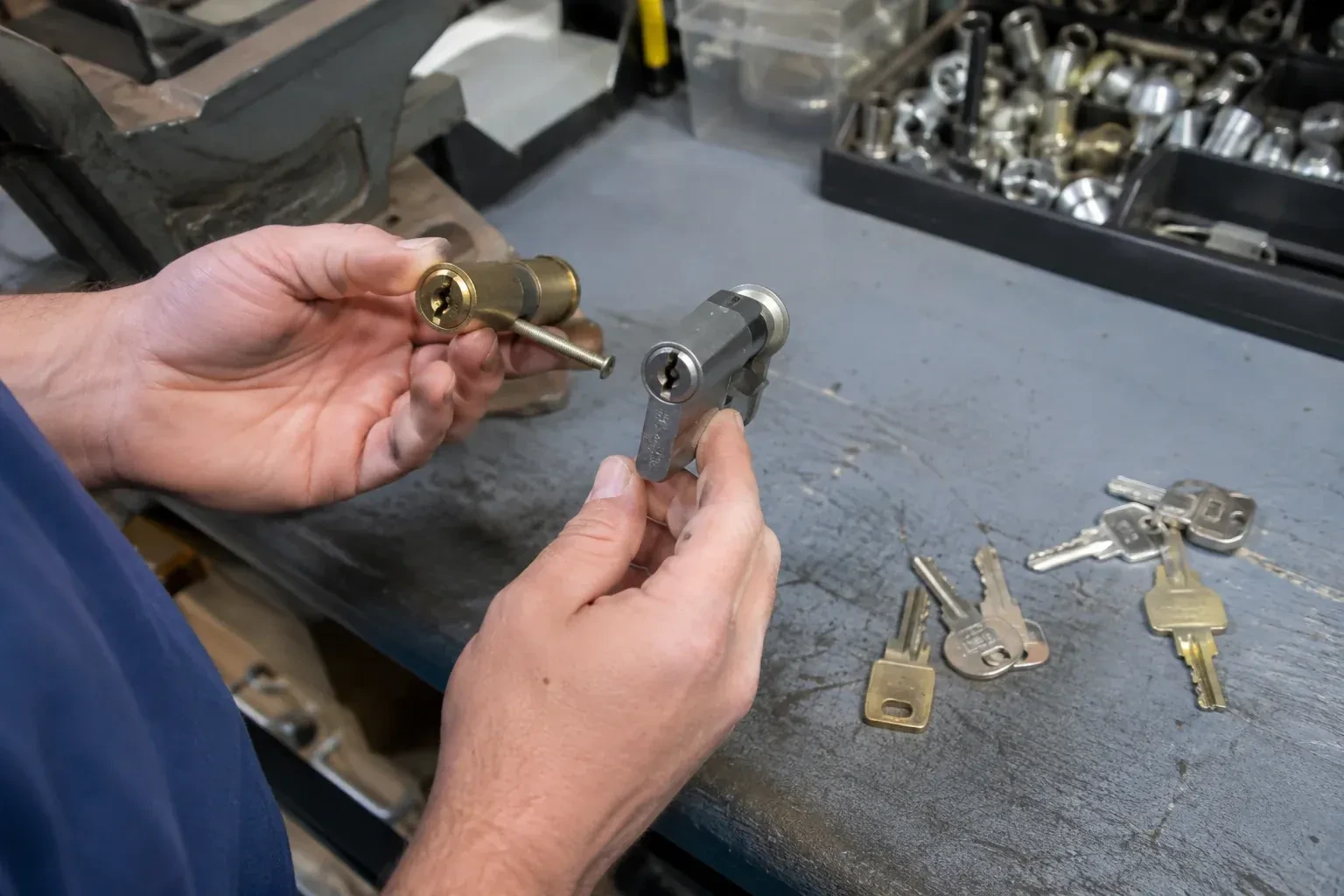 EmergencyBroken Key ExtractionThe key went in like any other morning, you turned it, and something gave with a small metallic click.
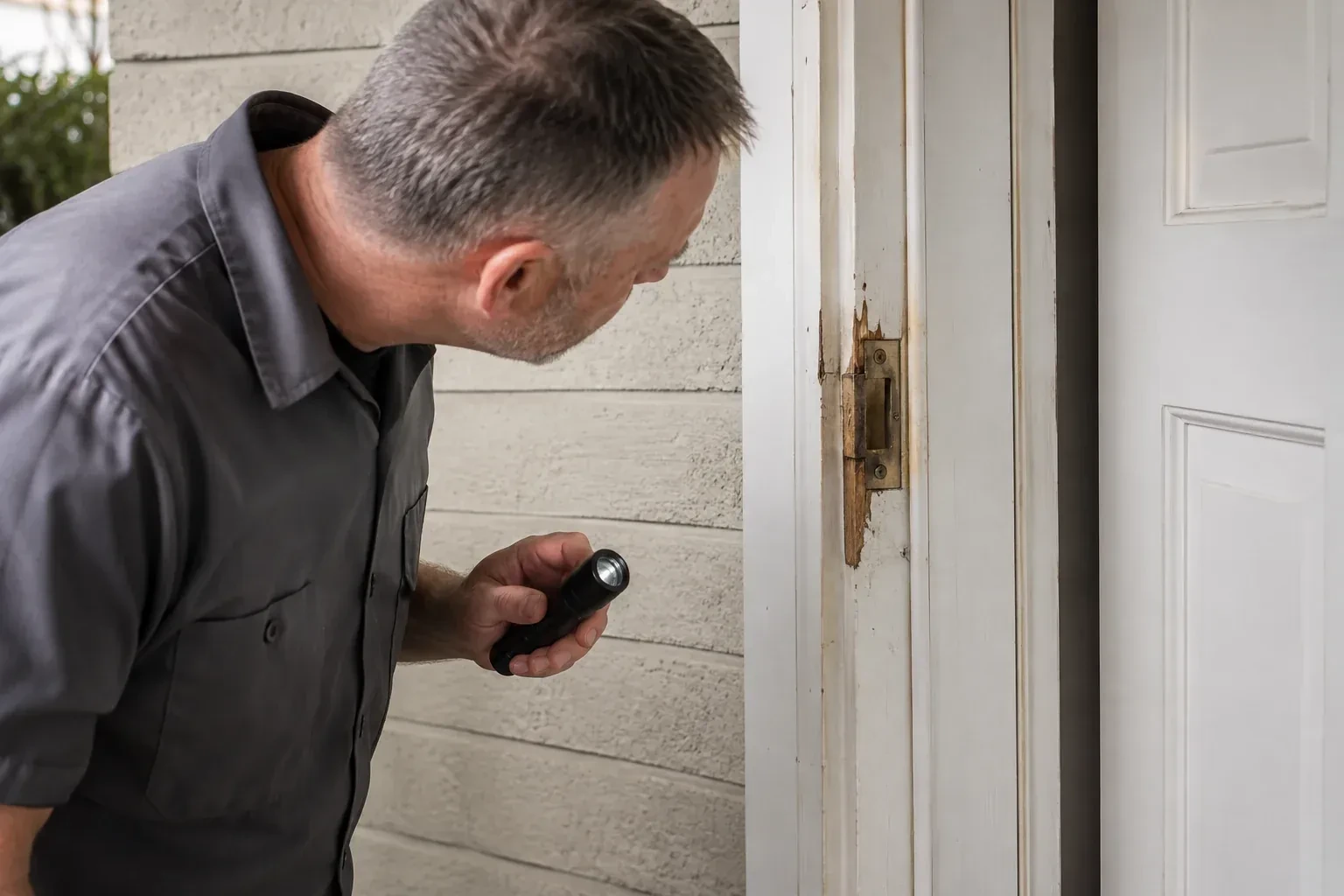 EmergencyBreak-In Damage Lock RepairPolice have come and gone, the occurrence number is on a sticky note, and you are standing in a cold hallway looking at a…
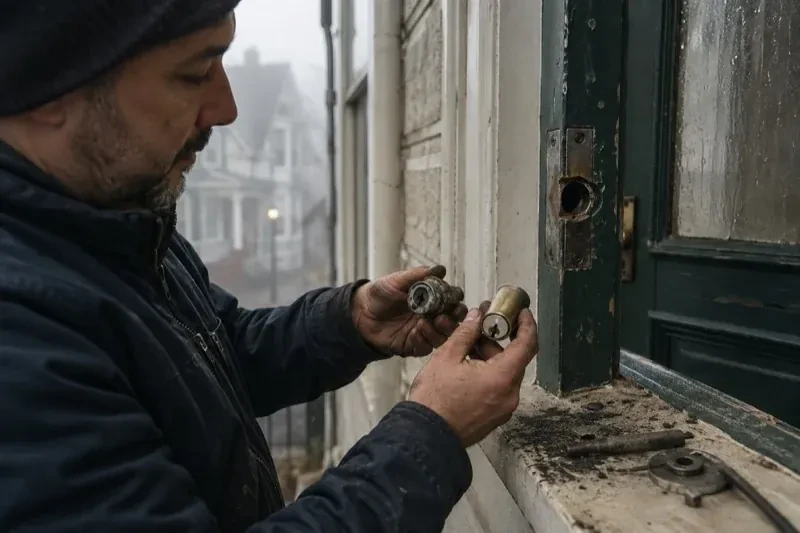 EmergencySeized & Jammed Lock OpeningThe shop's lever handle goes down as usual, but the latch inside the mortise case never pulls back.
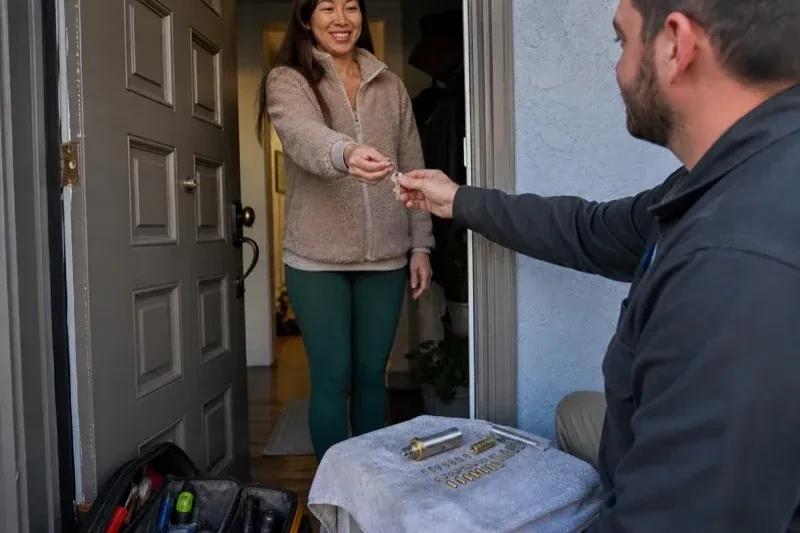 EmergencyLost Keys — Same-Visit RekeyYour purse was taken from the back of a chair at a restaurant.
Home Lockout Service near you
Haldimand-Norfolk, Ontario
Norfolk County information
- Town
- Norfolk County, Haldimand-Norfolk, Ontario
- In business
- 22 years
- Hours
- Open 24/7 · nights, weekends and holidays, same fees
- Phone
- (226) 641-0178
- Visits
- On-site assessment preferred. Request a visit or call.
What the census means at the door
62%
Older homes. About 62% of homes in Norfolk County were built in 1980 or earlier, according to the 2021 Census.
Where most homes were built decades ago, doors often still carry their original mortise locks and brass knobs. That hardware can usually be cleaned, re-sprung and kept in service, with a modern deadbolt added above it for strength without losing the look.
83%
Mostly houses. Single-detached houses make up about 83% of homes in Norfolk County (2021 Census).
In areas of single houses, the door nobody watches is the side or back entry. It often has the weakest lock on the property. Fitting a proper deadbolt and a reinforced strike there is a modest job that closes the obvious gap.
Nearby
Open 24/7
Request a visit
Someone pushed the privacy button on the bathroom door and pulled it shut behind them, leaving the room locked and empty.
Call now · open 24/7(226) 641-0178- On-site assessment preferred
- Same fees day, night or weekend
- 22 years in business