Emergency Lockouts · Norfolk County
Seized & Jammed Lock Opening in Norfolk County
The shop's lever handle goes down as usual, but the latch inside the mortise case never pulls back. Staff are waiting on the sidewalk with their coffees, the door is locked, and the handle is simply moving air.
Call now · open 24/7(226) 641-0178In plain words
A jammed lock looks like one problem from outside and is usually one of three inside. The cylinder itself may have seized, packed with grit, corrosion or old grease. The link between cylinder and bolt, the tailpiece or cam, may have broken, which is why a key can spin without doing anything. Or the lock may be healthy and the bolt simply pinned against the strike by a door that has moved. Seized and jammed lock opening starts by telling those apart, because the right answer for one would damage the hardware in another. Once the culprit is known, the door is opened and the cause is repaired.
How the visit goesYou are inside, the deadbolt is thrown, and the thumb-turn will not budge. It moved a little last week with some effort. Now the door you walk through every day is a wall, and you need it open.
Seized & Jammed Lock Opening · Norfolk County
How the visit goes
- 1
Levers, thumb-turns and mortise cases
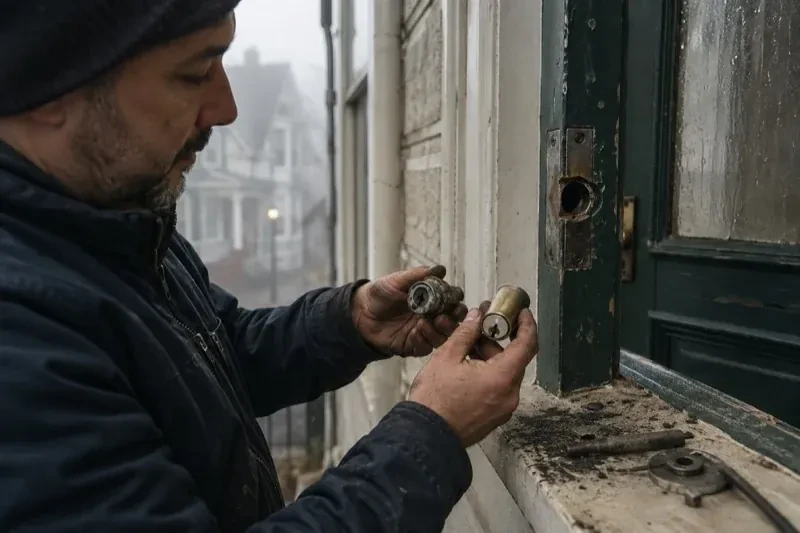
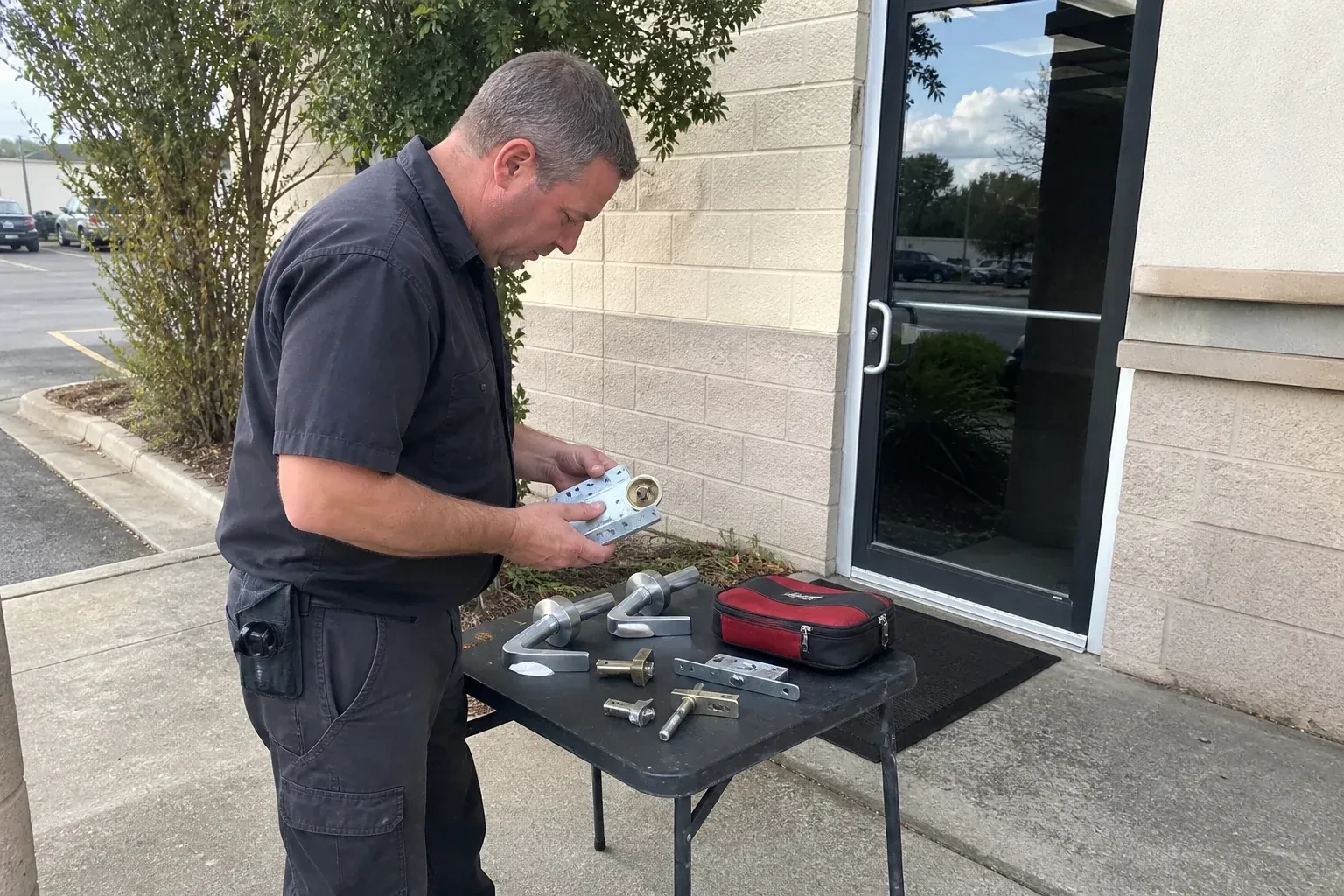
Lever handles and mortise locks add parts that a plain deadbolt does not have, and each can jam on its own. A lever that drops without retracting the latch can have a tired return spring or a worn hub inside the case, though latch engagement, linkage, or the spindle can produce the same symptom. A thumb-turn that will not move can be a bent spindle, a stripped drive or a bolt pinned by the frame. On older houses and commercial doors the mortise case itself may be packed with decades of dust and dried grease. The locksmith works the lever, key and thumb-turn separately and feels where resistance starts, which locates the fault before the case is opened.
- 2
Freeing a seized cylinder without forcing it
A plug that will not turn is coaxed, not wrenched. The locksmith flushes the keyway with an electronic contact cleaner to lift out grit and old residue, then applies a penetrating lubricant sparingly, since too much simply carries dirt deeper. The key is worked in small movements, in and out and a few degrees each way, letting the pins settle back into their stacks. If the cylinder cap has loosened, it is snugged so the plug sits square. As the plug begins to move, tension is kept light so nothing inside is bent. Once the door is open, the cylinder is removed for proper cleaning rather than left with lubricant masking the wear.
- 3
What was done, in writing, with the old parts
You are told plainly which family the jam belonged to and what was done: cylinder cleaned and rebuilt, tailpiece replaced, strike moved, hinges shimmed, mortise spring fitted, or cylinder replaced and keyed to your existing key. Replaced parts are handed over so you can see the wear or the break for yourself. For a rental, tenants and landlords both benefit from that note, since it records that the lock was serviced rather than changed. For an owner it goes in the home file beside the keyway and key code, which makes the next key cut or the next service a shorter conversation.
In the van
- Strike plate and hinge shims
- Plug follower and repinning kit
- Mortise case spring and hub
- Electronic contact cleaner
- Cylinder springs, pins and cap
What affects the quote
- 1
Type of lock on the door
A residential deadbolt, a knob latch, a lever set, a mortise case in an older house and a high-security cylinder each take different tools and time to open and to service.
- 2
Upgrades you choose on the spot
A keyhole cover, a storm door latch, a reinforced strike or a new deadbolt are optional extras some people add while the locksmith is there, each shown as its own line.
- 3
Door and hinge adjustment
When the door caused the jam, hinge screws, shims, a strike move or a deepened bolt pocket are quoted as their own line beside the opening.
Same fees day, night or weekend.
Seized & Jammed Lock Opening: questions
Could a jammed lock mean someone tampered with it?
Occasionally, but wear and weather are far more common. Signs that point to tampering are fresh scratches around the keyway, a plug that sits crooked, or debris such as glue or a broken tool tip inside, none of which appear from ordinary use. The locksmith looks for these during the inspection and says plainly what was found. If the cylinder has been damaged that way, it is replaced and, if you wish, the other doors are rekeyed.
The thumb-turn is stuck from inside and we need that door to get out. What should we do?
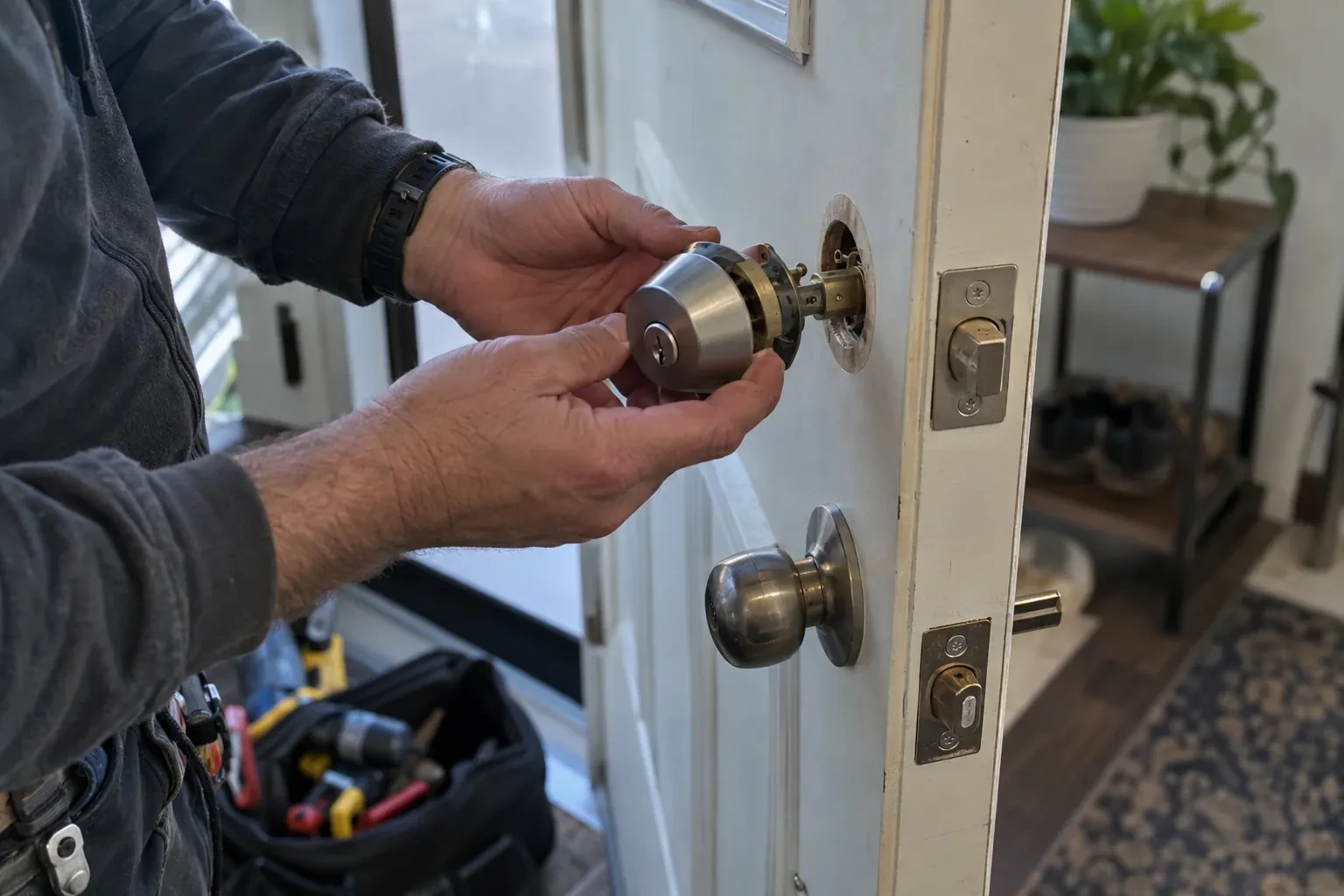
Use another exit for now and call. From the inside the fault is usually a bolt pinned by the frame or a bent spindle, both of which the locksmith frees without damage. A main exit door should open from inside without a key or special knowledge, so the repair leaves the door doing exactly that, and if the hardware on it was the wrong type for an exit, a thumb-turn deadbolt is suggested.
Can an old mortise lock in a century home be serviced rather than replaced?
Often, and keeping the original hardware is usually worth trying first, since it fits the door and suits the house, though condition and the availability of matching parts decide whether a repair is realistic. The case comes out of the door edge, the decades of dust and hardened grease are cleaned away, a broken spring or worn hub is replaced with a matching part, and the contact surfaces get fresh grease. If a bit key or a cylinder has worn, a new key is cut or the cylinder rebuilt.
Lockout Services
 EmergencyHome Lockout ServiceSomeone pushed the privacy button on the bathroom door and pulled it shut behind them, leaving the room locked and empty.
 EmergencyBusiness Lockout ServiceAfter last night's power flicker the card reader beside the clinic door shows nothing.
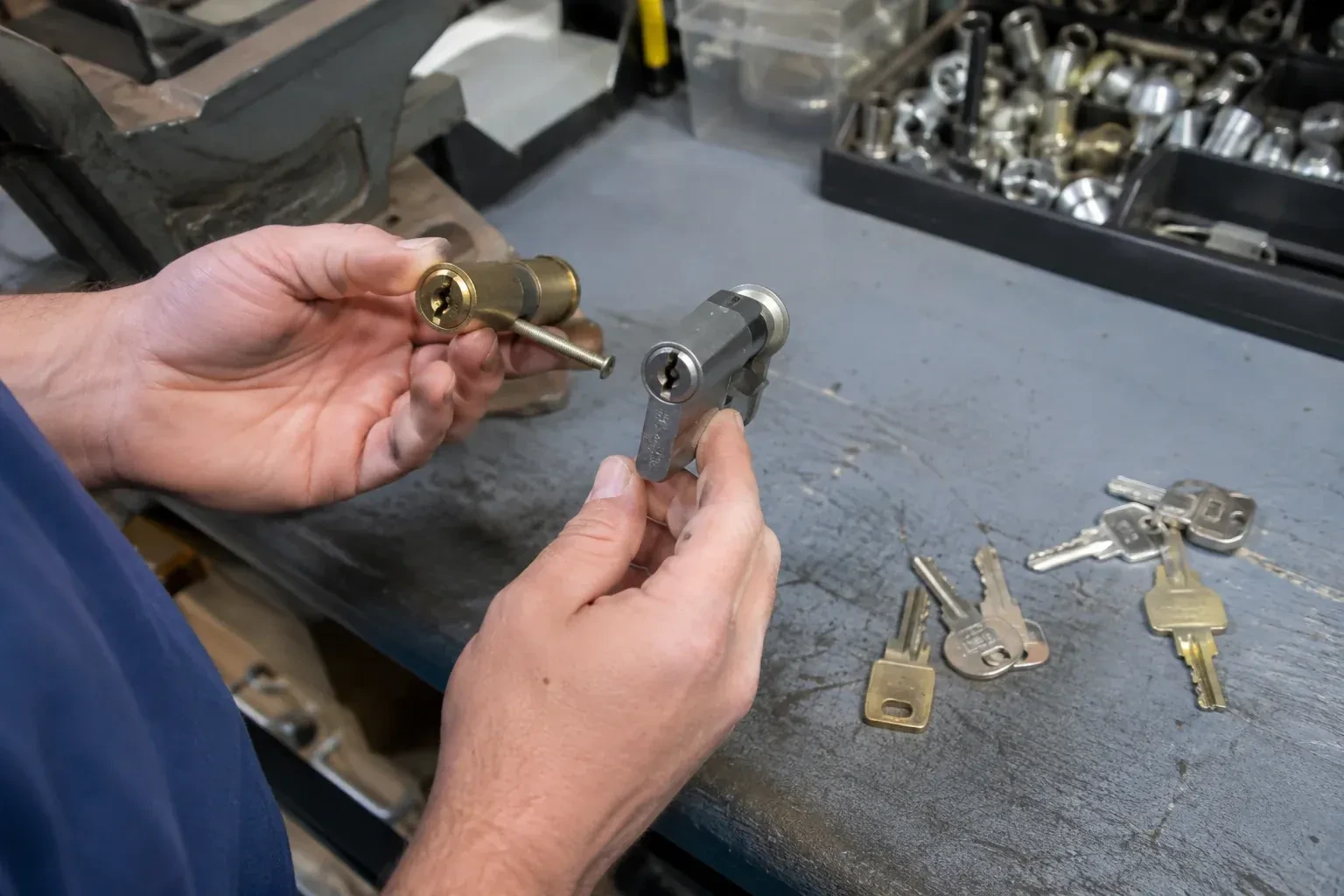 EmergencyBroken Key ExtractionThe key went in like any other morning, you turned it, and something gave with a small metallic click.
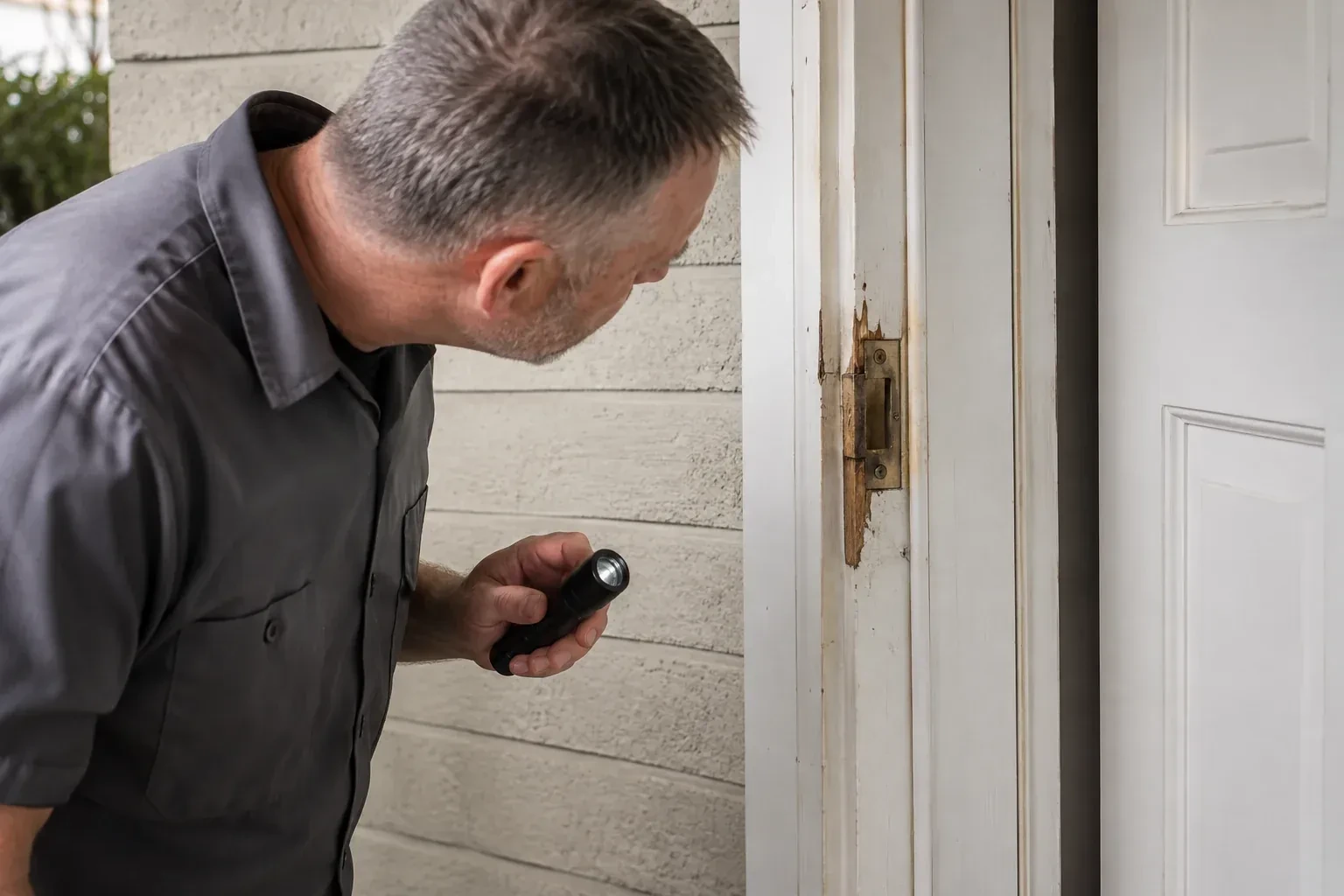 EmergencyBreak-In Damage Lock RepairPolice have come and gone, the occurrence number is on a sticky note, and you are standing in a cold hallway looking at a…
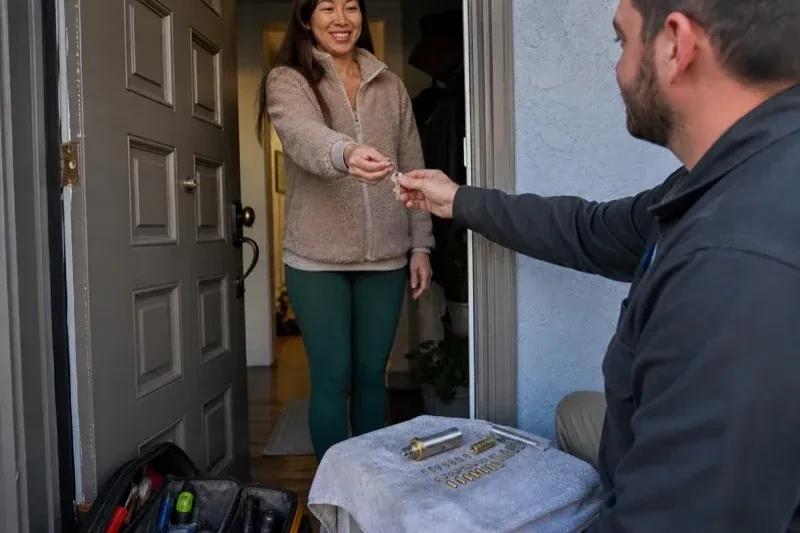 EmergencyLost Keys — Same-Visit RekeyYour purse was taken from the back of a chair at a restaurant.
Seized & Jammed Lock Opening near you
Haldimand-Norfolk, Ontario
Norfolk County information
- Town
- Norfolk County, Haldimand-Norfolk, Ontario
- In business
- 22 years
- Hours
- Open 24/7 · nights, weekends and holidays, same fees
- Phone
- (226) 641-0178
- Visits
- On-site assessment preferred. Request a visit or call.
What the census means at the door
62%
Older homes. About 62% of homes in Norfolk County were built in 1980 or earlier, according to the 2021 Census.
Where most homes were built decades ago, doors often still carry their original mortise locks and brass knobs. That hardware can usually be cleaned, re-sprung and kept in service, with a modern deadbolt added above it for strength without losing the look.
83%
Mostly houses. Single-detached houses make up about 83% of homes in Norfolk County (2021 Census).
In areas of single houses, the door nobody watches is the side or back entry. It often has the weakest lock on the property. Fitting a proper deadbolt and a reinforced strike there is a modest job that closes the obvious gap.
Nearby
Open 24/7
Request a visit
The shop's lever handle goes down as usual, but the latch inside the mortise case never pulls back.
Call now · open 24/7(226) 641-0178- On-site assessment preferred
- Same fees day, night or weekend
- 22 years in business